
The Community Advocate’s Guide to Feeding the Hungry
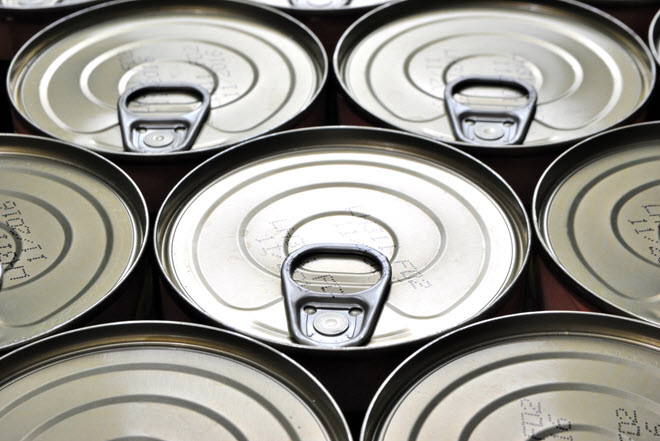
It may be difficult to believe, but America has a bigger hunger issue than most people realize. Many Americans face “food insecurity,” which the United States Department of Agriculture (USDA) defines as the lack of access, at times, to enough food for all household members. In the United States, this is caused not by a lack of food, but by the continued prevalence of poverty.
In 2014, 48.1 million Americans lived in a food insecure household. This included 32.8 million adults and 15.3 million children. It’s an especially alarming thought that millions of children in our own neighborhoods regularly faced uncertainty about their next meals. But there’s good news: you can help! By becoming a hunger advocate and holding a food drive or hunger event, you can put food on the table for dozens, even hundreds of Americans living in food insecurity.
This guide is designed to help you figure out what kind of an event you want to hold, how to plan and execute a food drive, alternatives to traditional food drives, and the best kinds of food items to include in your donations.
Hammering out the specifics: What kind of event best fits your goals?
Start with your general goal: do you hope to hold a large event or a more modest one? The answer to that question ties directly into the idea of a host location for your food drive. For example, are you collecting within your neighborhood, your workplace or your school? This may come down to which group you think you can communicate with best and motivate the most. (So if you’re thinking of holding a large food drive within your company but don’t have a strong mass communication system at work, you might be better off sticking to a neighborhood drive.) Reach out to others within that group to see who may be interested in helping you plan the event.
Establish exactly how you want your drive to work. You could have a single designated day, time and place to collect donations or an extended collection event over the course of several days or weeks. Pick the date(s) of your event, keeping holidays and breaks in mind. (A springtime school food drive would be a great idea, but it wouldn’t be very successful if collection dates were while the kids were on spring vacation.) Collection can be done by dropping off at collection sites, arranging pick-ups, or both.
Consider specific kinds of donation events: at a fill-up-the-truck challenge, participants are encouraged to fill an entire box truck with donations. Five-pound parties require guests to bring five pounds of non-perishable food, with a prize for the guest with the most items. $5 parties follow the same idea, but guests are asked to spend $5 on non-perishable food items and awards are handed out for the most items or biggest box of donations. You could even theme your food drive with how donations are collected, such as by requesting that partygoers fill up a bag you provide them.
Keep in mind that deciding what kind of an event you want to hold is going to depend largely on how much time you have to devote. Don’t take on more than you can manage or be afraid to ask for help. Remember, a small food drive is far more helpful than a failed food drive!
Put it all together: Planning and executing your food drive
Now that you’ve got your food drive wheels moving, it’s time to hold a planning meeting where interested coworkers and friends can gather to help you organize your event. This should include choosing a theme for your drive. This time of year, a holiday theme is a great way to get people’s attention and spread awareness about local hunger issues.
Come up with a catchy, creative slogan that ties together the cause and the organization benefitting from the food drive. You can even hold a poster contest to find the most creative, eye-catching display; it’s an excellent way to get people informed and excited about the drive before you even start collecting! Plus, it’s a fun way to get kids involved and teach them the importance of giving back at an early age.
Elect a committee with several leadership positions: an overall coordinator (this is likely your own title) and team leaders for individual tasks like food sorting, donation collecting and advertising. Establish clear responsibilities for each leader, and ensure they all know and have easy access to key dates and times for your drive. (You may even want to pass out event calendars!) Have a roster of all volunteers, complete with full names and contact information to easily keep everyone in the loop and updated.
Next, finalize the details of your collection methods. When deciding on drop-off locations, think convenient, high traffic, and — especially if yours is a single-day event — have an indoor option, pending poor weather conditions. Local businesses, schools, churches and grocery stores are all great options. Reach out to managers and principals to supply them with information about your drive, including which organization it benefits, your goals and the expected dates it will run, and ask if they’d like to participate.
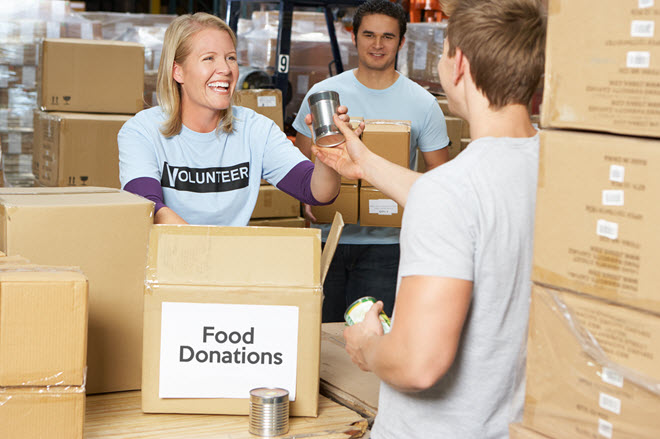
Don’t forget to reach out to the organization you’ll be working with. Not only should you let them know you’ll be sending donations, it’s important to ask them if there are any items they specifically need. Local organizations are often in short supply of low sodium and low sugar foods, but this year they could also be low on baby formula and baby food, or maybe something as simple as brown rice. Knowing exactly what they need can make all the difference in donating!
Now to consider one of the most important aspects of your drive: advertising! Promote your food drive in company or school newsletters and reach out to local churches, libraries, and community centers to let them know about your cause. Contact local media; even if they don’t write an entire story about your drive, they could post the information on their website or Facebook page. And don’t forget about your own social media; posting and sharing on Facebook or chronicling your efforts on a blog can be excellent ways to garner community interest and involvement.
And there are tons of ways to grow involvement throughout your event. If you’re working with a retailer, talk to the manager about possible incentives for employee involvement, internal flyers or posters, or asking customers if they’d like to donate at the register. You could even set up a holiday gift-wrapping station for the price of canned goods.
Incentives and prizes are another great way to gain supporters of your cause. Schools could offer discounted sporting event or dance tickets. Companies could offer a casual dress day if goals are met. Local businesses might be interested in donating items for a raffle. You can even create games with your drive! Challenge coworkers to build sculptures out of the canned goods and then award the most creative. Hold a contest for best holiday photo or cutest pet and vote by canned good donation; whoever’s box gets filled up first wins!
Chronicle the whole process with photos and post them with flyers and in company newsletters to keep up excitement around the drive. Track and post results as they occur throughout the event. Creating a website or Facebook page for the event with updated goal progress and photos would be an easy, interactive way to keep everyone informed.
You can even make donations a form of currency! Instead of tickets, require canned goods as a price of entry for company parties. Incorporate a “swear jar” type of policy around the office, but instead make it a “donation jar.” Anytime someone’s cell phone goes off during a meeting or someone is late to work, require a donation.

Think outside the box: Alternatives to food drives
Food drives require a lot of time and devotion, and sometimes juggling work and family life is tricky enough without taking on something extra. Or maybe you just want something more creative than a traditional food drive. Whatever the case, you have plenty of options when it comes to being a hunger advocate!
Be resourceful and go with what you’ve already got: go through your cabinets and donate leftover unopened food from parties and barbeques. Pick up that giant stack of coupons you’ve been meaning to clip, then buy and donate what’s on sale. See if you can set up a stand at a local event like a 5K or music festival to collect donations. Or go with what you’ll get: ask for canned good donations instead of gifts at a birthday or anniversary party.
If you decide you want to go big, you may want to hold your own large-scale community lunch or dinner for the local hungry population. You could plan your own menu to cook, or your meal could be potluck style, with volunteers all bringing in dishes from home. Keep in mind that host locations should be neutral, non-religious and conveniently located. Some organizations will even help you host a dinner where individuals or groups can prepare home-cooked meals for guests.
Hosting a large-scale event can bring in all kinds of community participation. You can set up booths about public health assistance and ID services, or see if local barbers would donate their time for haircut booths. Get radio stations interested; they may even set up a broadcast booth at the event!
Reach out to local celebrity chefs who may agree to cook for the event. Many independent chefs donate time or food to local hunger causes, and some even make it part of their business plan. Even if they can’t do it themselves, they might be an excellent reference for someone who can!
When it comes down to it, though, just volunteering at a soup kitchen can make a huge difference. Even one or two nights a week can be a rewarding way to give back, and many community kitchens have nightly or weekly dinners to which you can donate your time. Volunteers might prepare and serve meals, sort and distribute canned goods and clothing, clean the facility and grounds, fold linens, or help with inventory. Remember, no matter your strengths, there are plenty of ways you can help out at a soup kitchen!
Shop smart: The best foods for your event
Of course all donations are appreciated, but sticking to some general guidelines while shopping can help make your contribution all the more valuable. Canned proteins like tuna, salmon, chicken, peanut butter and peanuts are a great place to start, as well as grains like pasta (regular or whole grain), rice (white or brown), and macaroni and cheese. Ideally, canned vegetables are low sodium or no salt added, and canned fruits are in their own juices or light syrup. Multigrain cereals like rolled oat varieties, corn flakes, raisin bran variations and high-fiber cereals, along with protein-based soups like beef stew, chili, chicken noodle and turkey rice, are also great options.
Evaporated milk is another important nonperishable item to add to your donation list. Healthy snacks like dried fruit, whole grain crackers, trail mix and fruit cups are great items, along with unsweetened apple sauce, low sodium pasta sauce, and chicken, beef, and vegetable broths and stock. Keep in mind that canned goods with pop-top lids are preferable to those that require a can opener, and glass jars aren’t ideal.
You may also want to consider collecting pet food donations. Dry or canned cat and dog food, bird seed and fish food are all helpful pet donations. These don’t have to be a main focus for your drive, but they can certainly find good homes!
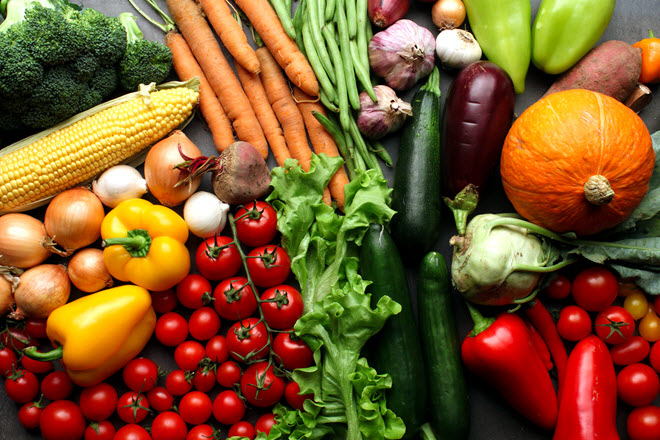
If you’re cooking your own event, try to include “superfoods” like kale, avocado and raw almonds in your dishes. They’re packed with vitamins and nutrients and are a great way to make the most of a single meal. Other super healthy options that won’t kill your wallet include lentils, oats, oranges, chunk-light tuna (it makes a great substitute for salmon), cabbage, peanut butter, apples, eggs and carrots. The Food Network has great superfood recipes you could adapt for your event, and Campbell’s Soup has plenty of budget friendly recipes.
Food drives are a wonderful way to give back to the community, and they can help countless families put food on the table. But whether you hold a food drive or host your own dinner, the difference you’ll make is ultimately immeasurable. However you choose to donate your time, being a community hunger advocate could be one of the best choices you ever make!
Additional Helpful Resources
- Feeding America has an awesome feature that helps you find your nearest food bank.
- The Sodexo Foundation distributes awards of $400 to youth-led service projects that bring together young people, families, Sodexo employees and members of the community.
- Meals of Hope has helped organize food drives across the country and can help you hold your own event.
- This resource from the U.S. Department of Health and Human Services has excellent information on healthy vegetarian alternatives and tips to making a nutritious meal.
- Buzzfeed created this comprehensive list of common food bank wish list items.


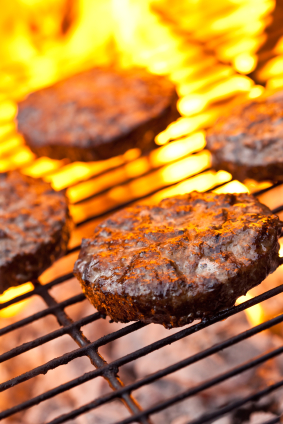 Every year as we fire up the barbeque in the summer, we might not be aware of the thousands of injuries, fatalities, and fires that are caused due to outdoor grills. In order to enjoy a safe, incident-free outdoor meal experience, it is important to educate ourselves on the crucial points of grilling safety. Apart from this we also need to know how to equip ourselves with the right tools for preventing and handling any potential hazards. In this article we’ll have a look at the basics of safe grilling habits and techniques.
 A gluten-free diet is not necessary, or helpful, for everyone. Celiac disease is one of the main reasons why people turn to a gluten-free diet. With celiac disease, gluten triggers an autoimmune response in the small intestine. As a result, nutrients are not properly absorbed, the person suffers from gastric problems, may have headaches and suffer from fatigue. A gluten-free diet is critical in the treatment of this disease. People with celiac disease, however, are not the only ones who are gluten intolerant. Some people may have a gluten sensitivity that is not related to celiac disease, and may need to reduce their gluten intake or follow a gluten-free diet. Non-celiac gluten sensitivity can cause people to suffer from stomach pains after eating wheat or other associated grains. They may also experience bouts of headaches, fatigue and grogginess.
 The Jewish religion requires its followers to adhere to a very specific set of rules regarding food consumption. Acceptable foods and preparation practices are known as kosher. The book of Leviticus provides information as to the types of foods that can freely be eaten and how they should be prepared and cooked. The rules and laws are specific enough that Jews have to be especially careful to buy foods labeled as kosher. How an observant Jew cooks and eats is similarly regulated. Read on to learn about why people keep kosher and how to do so.
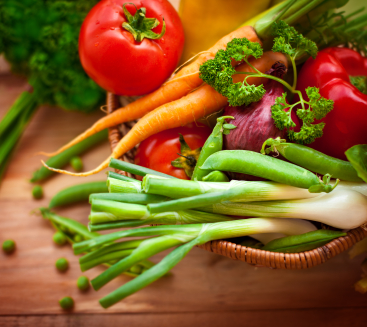 Everyone knows that eating healthy is the best option available for making a positive impact on your health. It can help you maintain a healthy weight, stay fit and just feel better overall. Knowing that you need to make good food choices is different from actually making those choices. When you are ready to change your eating habits, you need to take the time to evaluate all of your habits and to take the necessary steps so that you can embrace a healthy lifestyle. You need to think about the food that you are eating, where it comes from and how it helps you. Once you begin to make conscious choices about your eating habits, it will be easier to make the changes you need to succeed.
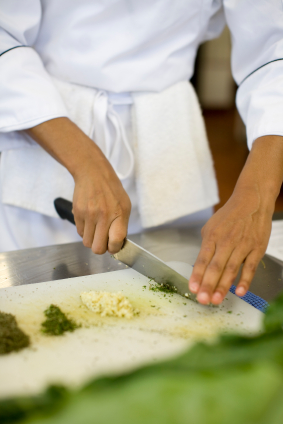
 One of the most rewarding ways to work is by turning something you already enjoy into a career. For many people, cooking translates to a career path in the culinary arts. This field involves cooking or working with food in many different ways. While people may initially start out by studying a broad-based course, they can later focus on a more specialized field. Culinary school graduates typically find themselves working in a wide variety of jobs, including restaurants, hotels, hospitals, and even the military. Read on to discover more about this extremely practical and hands-on career path.
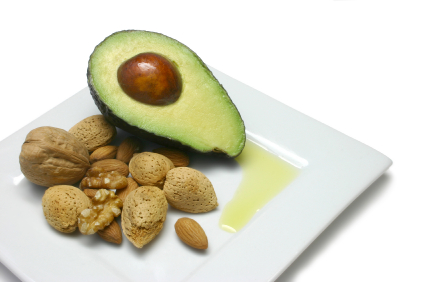 Many people would be surprised to discover that some types of fats are actually a nutrient and are good for the body. Referred to as lipids, fats can be either solid or liquid depending on the type. They are compounds that are made up of hydrogen, carbon, and oxygen, and are found in animal tissue and plants. On their own, fats are not bad for the body, in fact they are necessary. There are, however, problems with certain kinds of fat. When a person eats too much of the wrong types of fat they can develop health problems such as increased cholesterol, type II diabetes, heart disease and even cancer. Understanding fat will help people understand how it can be both beneficial and problematic. As a result, it will also help people to make healthier choices in their food choices.